A bacterial protein fragment drives tissue fibrosis, but antibody treatment can help, study finds
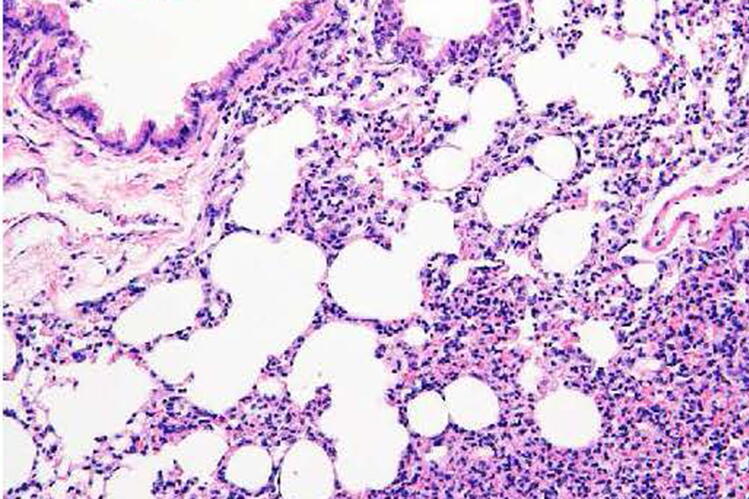
A bacterial protein fragment called corisin drives the process of pulmonary fibrosis by infiltrating and disrupting the cell’s quality-control system, researchers at the University of Illinois Urbana-Champaign and Mie University in Japan found in a new study. Meanwhile, blocking corisin with an antibody impeded the damage.
“One of the most important principles in medicine is that understanding how a disease develops is the key to discovering better treatments. Our findings move corisin from being simply an intriguing bacterial peptide associated with fibrosis to a mechanistically defined, biologically active and causally supported driver of disease — and importantly, a promising therapeutic target,” said Illinois animal sciences professor Isaac Cann, who led the study with Mie University immunology professor Dr. Esteban Gabazza. Cann and Gabazza are affiliates of the Carl R. Woese Institute for Genomic Biology at Illinois.