Study finds cattle linked to forced labor evades supply-chain safeguards in Brazil
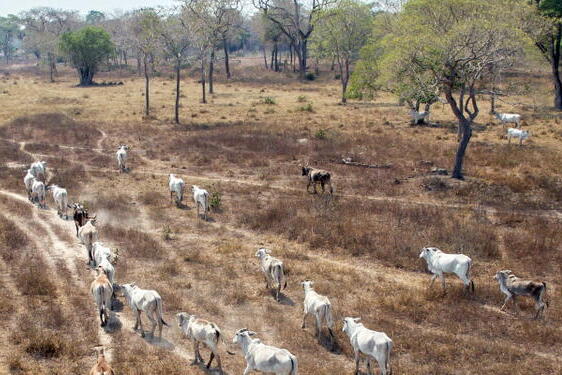
Brazil’s “Dirty List,” a public registry that names employers found to have violated anti-slavery laws, is a key component of the country’s efforts to combat forced labor. Major meatpackers in Brazil signed sustainable sourcing commitments promising to not purchase cattle directly from ranchers on the Dirty List. But new research from the University of Wisconsin-Madison and the University of Illinois Urbana-Champaign shows that ranchers have found ways around these restrictions, rerouting cattle through intermediaries and allowing cattle linked to forced labor to remain in domestic and international beef and leather supply chains.
When President Trump proposed tariffs on Brazilian imports, including beef, in June, he pointed to slave labor as a reason. In August, he announced that the United States would buy more than 600 million pounds of Brazilian beef without tariffs.
“We hope this information can also help U.S. consumers become more aware of the practices that may have gone into the beef they are buying,” said study co-author Marin Skidmore, assistant professor in the Department of Agricultural and Consumer Economics, part of the College of Agricultural, Consumer and Environmental Sciences at U. of I.
Study co-author Holly Gibbs, a UW–Madison professor of environmental studies, added, “If we’re going to start buying more beef from Brazil, it creates an opportunity to think about how we can incentivize more reliable supply-chain monitoring. Sending the right message through our purchasing decisions could help close the door on forced labor.”