Money and Happiness in Costa Rica
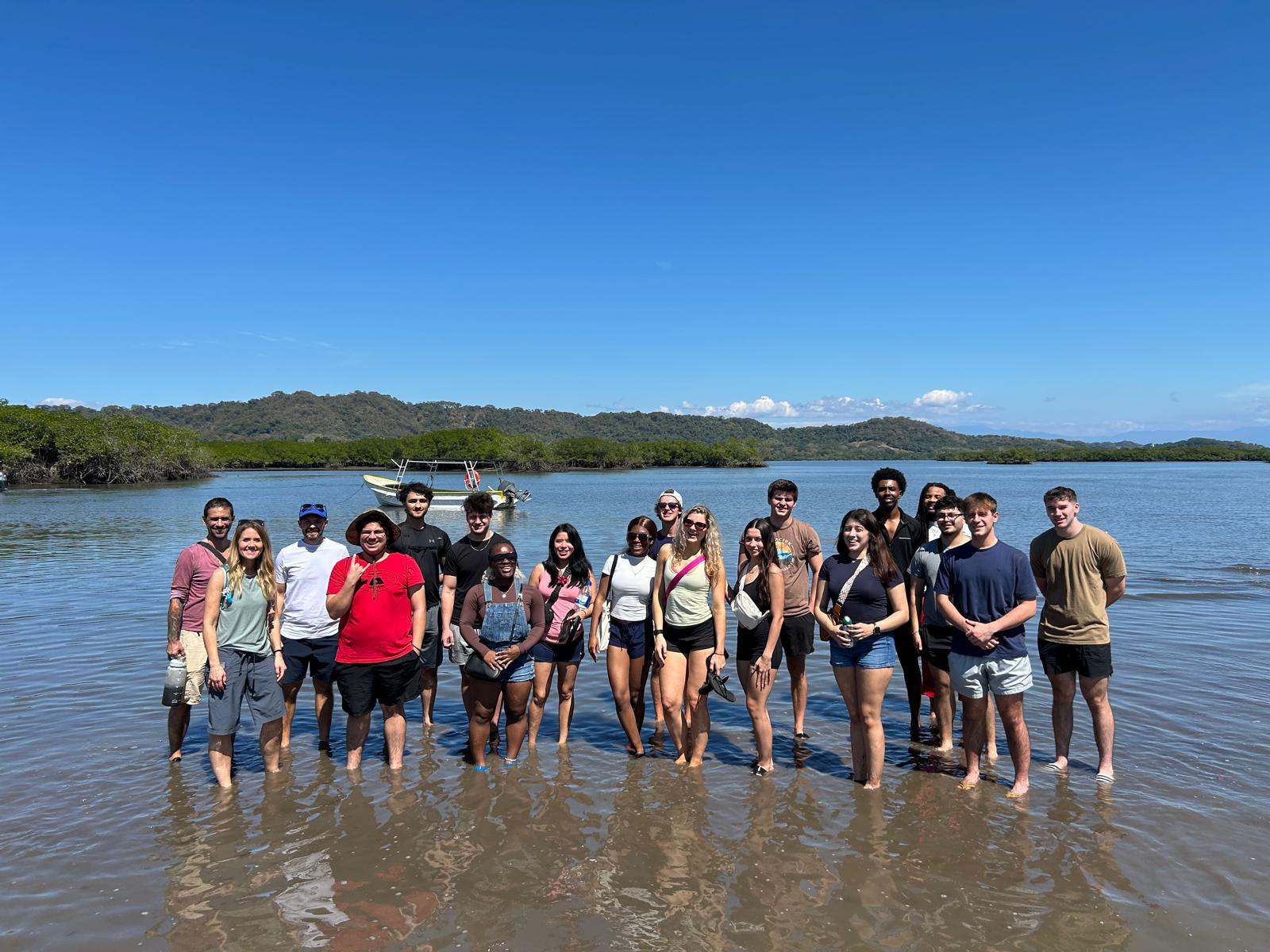
I expected the faculty-led study abroad program ACE 243 - Money and Happiness in Costa Rica to be a mix of travel and class content about well-being. What I didn’t expect was how quickly the ideas moved from “things we talk about in a classroom” to “things I could actually feel and see in daily life.” Across ten days, the program gave me a real-world look at how culture, community systems, nature, and personal habits all shape happiness, and how money fits into that picture without being the main character.
One of the biggest things I learned is that happiness is less about having more and more about how you live day-to-day. Early in the trip, the lecture on Costa Rican culture and the values of “Pura Vida” helped frame the entire experience: a focus on presence, relationships, and appreciating what you already have. After that, nearly every activity felt like an example of that mindset in action rather than a concept being explained.
A second major takeaway was how much systems and community support matter. The lecture on Costa Rica’s economy and social welfare policies made me think about happiness at a larger level, not just as an individual goal. I left that day thinking about how “money and happiness” isn’t just about personal budgeting or spending decisions, it’s also about the structure around you, and whether people feel supported enough to live stable, healthy lives.
The most meaningful part of the program for me was the combination of wellness activities and the way they were tied to the community. The yoga session and mindfulness workshop in Nandayure weren’t just “self-care events,” they were placed into a broader theme of living well and intentionally. Visiting the senior center later that day was a highlight because it connected wellness to aging, relationships, and purpose. It made me think about long-term happiness as something built over time through routine, movement, social connection, and being part of something bigger than yourself. The Blue Zone cooking workshops were also surprisingly meaningful. They were simple, hands-on, and they reinforced that health and happiness can come from consistent habits instead of extreme changes. Making food together also created an easy sense of community, and it reminded me that shared meals are more than nutrition; they’re also a connection.
Another set of moments that stuck with me came from being in nature. The Monteverde Cloud Forest Reserve visit was one of those experiences that forces you to slow down and pay attention. Later, relaxing in the natural hot springs in La Fortuna felt like the opposite of the usual “busy” mindset, where rest is something you squeeze in only after you’ve earned it. Visiting Arenal Volcano National Park and doing activities like hiking/ziplining reinforced the idea that some of the best “value” in life is tied to experiences, challenge, and memories, not purchases. And on the return day, La Paz Waterfall Gardens felt like a final reminder of how much nature can reset your mood and perspective.
Living with host families also mattered more than I expected. From the first day, being welcomed at the airport and brought into family routines made the trip feel grounded and personal. Coming back to San Joaquín de Flores at the end and having dinner with host families again made it feel like the program came full circle. The host family setup showed me how much happiness can come from daily rhythm and relationships, not just from big “once-in-a-lifetime” moments.
Academically and career-wise, this experience fits directly into how I want to approach financial planning. I’m studying financial planning because I want to help people make good decisions with money, but this trip reinforced that “good decisions” can’t just mean maximizing net worth. The program pushed me to think about goals like time freedom, stress reduction, health, family connection, and meaningful experiences, and how money should support those goals rather than replace them. It also made me think more about the emotional side of financial decisions, like how people seek security, how lifestyle inflation happens, and how values should drive a plan.
Jack Buchholz is a junior in Ag & Consumer Econ with a Financial Planning concentration.
This faculty-led program, ACE 243 - Money and Happiness in Costa Rica, is accepting applications for winter 2026. The deadline is June 15. All majors can apply.